Refurbished Headphones & Earbuds: The Complete Buying Guide
Quiet home office, long-haul flights, gym sessions, gaming nights: no single pair of headphones nails all of it. Match refurbished headphones and earbuds to what you do with them day to day, and you land on the right pair the first time.
- Quiet home office or long-haul comfort: Bose QuietComfort 45
- Frequent flyer, all-round travel: Sony WH-1000XM5
- iPhone commute, calls, low-drama daily carry: AirPods Pro 2 or AirPods Pro 3
- Open ear, no silicone tips: AirPods 4
- Gym days, switching between iPhone and Android: Beats Studio Pro
- Samsung phone, open-fit comfort: Galaxy Buds3
- Budget gaming on PC or console: SteelSeries Arctis 1
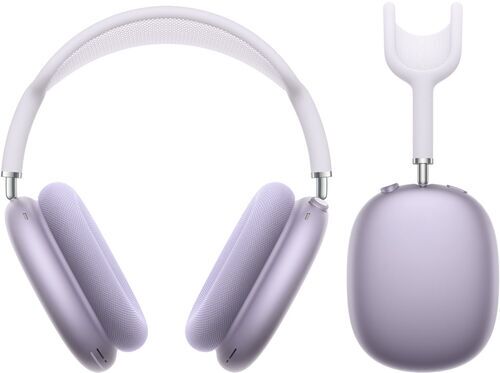
- Apple desktop luxury and spatial audio: AirPods Max 2024
Every model below is available refurbished on refurbed: checked, cleaned, and covered by warranty, at a properly affordable price.
The tech inside refurbished headphones: drivers, chips, and ANC
Every pair of headphones does the same basic job: a driver, a tiny speaker inside the ear cup or earbud, turns an electrical signal into sound by vibrating a diaphragm. Bigger over-ear drivers can move more air, one reason over-ear headphones like the Bose QuietComfort 45 or Sony WH-1000XM5 often carry more low-end weight at low volume than a compact earbud.
Active noise cancellation (ANC) works by placing microphones on the outside of the ear cup or earbud that sample the noise around you and produce an inverse sound wave that cancels it out before it reaches your eardrum. Each hardware generation processes that signal faster: the same idea running on a quicker, more capable chip with every refresh, which is why ANC has gone from muffling a plane engine to cancelling a train platform in a few product cycles.
Connectivity matters too. The Sony WH-1000XM5 and Beats Studio Pro both connect over USB-C, so you can charge and, on supported devices, carry audio over the same cable for a more direct digital connection.
Then there's the open versus sealed question. A sealed design, silicone tips pressed into the ear canal or a padded ear cup pressed against the head, creates a passive acoustic seal that blocks outside noise before ANC even switches on. Open designs like standard AirPods 4 skip that seal on purpose, trading some isolation for the ability to hear a colleague or a car horn without taking anything off. Buying refurbished headphones doesn't change any of this tech: the drivers, chips, and radios are the same as a new pair, just tested, cleaned, and sold for less.
Find your model: new features worth paying for
Start with the upgrade you would actually use. The most useful recent changes come from smarter software working with the same drivers, not flashier speakers.
Adaptive, context-aware noise control. Newer processors can adjust how much outside sound gets through, easing off when you start talking instead of leaving you to change a fixed ANC setting yourself.
Personalised spatial audio. Music and video can sound as though they come from around you rather than straight from your ears, with the effect adjusted to the shape of your ears.
Hearing-aid-style processing. The AirPods Pro 3 can amplify quiet conversation in real time, acting as a lightweight hearing assistant when speech is hard to catch in a noisy room.
Multipoint and LE Audio. The Samsung Galaxy Buds3 connect over Bluetooth 5.4 with LE Audio and Multipoint support. They can stay paired to a laptop and phone at once, so you can switch calls without re-pairing.
Wired digital audio. If you would rather use a cable than rely on Bluetooth, the tech section explains the USB-C connection on the Sony WH-1000XM5 and Beats Studio Pro.
No must-have upgrade? The other earbud options are AirPods Pro 2, AirPods 4th Gen (ANC), AirPods 3rd Gen and AirPods 2nd Gen. There are also the over-ear Bose QuietComfort 45 and AirPods Max 2024, plus the SteelSeries Arctis 1 gaming headset. If software does not settle the choice, let fit have the final say.
Fit and comfort: the test a spec sheet can't do for you
Treat physical fit as your final buying test. A feature list cannot tell you whether a pair will feel right when you wear it.
Earbuds. If your pair has tips, try the available sizes. Check for a seal that feels secure and comfortable, rather than assuming the first size you pick is the right one.
Over-ear headphones. Pay attention to headband pressure, especially if you wear glasses. Check how the pair feels with your glasses on, not just how it sits on your head.
Put them to work. Try either style during the activity you bought it for, whether that is a long desk session, a commute or exercise. That is the fit test no specification can settle.
Over-ear flagships compared: Sony vs Bose vs AirPods Max
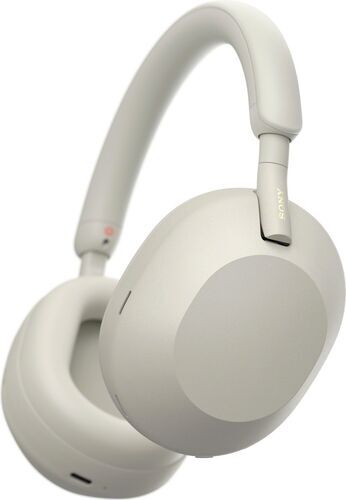
From £197.00
Battery Runtime
up to 30 h
Connectivity
Bluetooth 5.2
Headphone Type
Over-Ear
Best for
Frequent flyers and all-round noise control
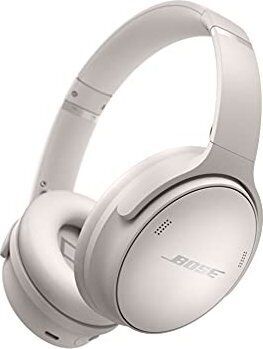
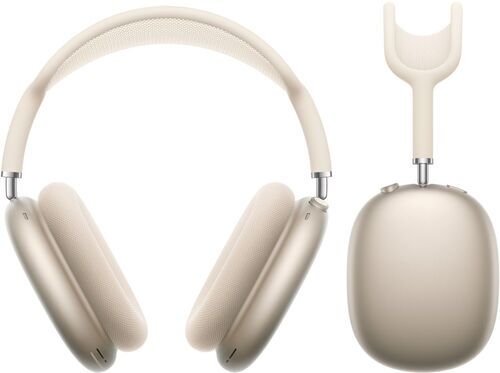
up to 20 h
Bluetooth 5.0
Over-Ear
Apple ecosystem and spatial audio
The 60/60 rule: how loud is too loud?
Modern headphones sound clean even at painfully loud volumes, which makes it easy to cross into damaging territory without noticing. A normal conversation sits around 70 dB, safe for as long as you like. Push sustained sound to around 85 dB, roughly heavy traffic, and exposure guidance caps out at about eight hours. At the maximum volume many devices can output, around 100 dB, that safe window shrinks to minutes rather than hours.
Audiologists sum this up with a simple habit: the 60/60 rule. Keep the volume at 60% of maximum or below, and take a break after 60 minutes of listening. Think of it this way: volume is the interest rate, and time is the balance that keeps compounding. Turn either one down and the risk shrinks with it.
Good active noise cancellation is one of the most effective volume controls you own. Most hearing damage happens because people turn the volume up to compete with a train, an engine, or a noisy office, not because the music itself started too loud. Cancel that background noise first, on the Bose QuietComfort 45 or Sony WH-1000XM5 for example, and you can hear everything at a much lower, safer volume.
None of this replaces medical advice. If you notice ringing, buzzing, or muffled hearing after listening, that's a sign to turn the volume down and give your ears a rest.
In-ear vs over-ear: which is kinder to your ears?
In-ear tips seal directly against the ear canal. That seal blocks noise well, but it also traps earwax and moisture against the skin, exactly the environment bacteria and fungi prefer. Over-ear headphones skip that problem entirely: the ear cup sits around the ear rather than inside it, so nothing occludes the canal.
A few habits keep either type comfortable for years. Wipe tips, pads, and charging contacts with a dry, soft cloth regularly, pocket lint on the contacts is the most common reason one earbud stops charging. Let earbuds air-dry fully after a workout before putting them back in the case. Don't share earbuds with anyone else. And never push a cotton swab, fingernail, or any tool into the ear canal, that pushes wax further in and risks damaging the eardrum.
If your ears feel hot, itchy, sore, or blocked after wearing in-ear buds, switch to an over-ear pair like the Bose QuietComfort 45 for a while and let the skin recover. Recurring irritation, a history of a perforated eardrum, or a noticeable change in hearing are reasons to see an audiologist or ENT rather than self-treating with drops or cleaning tools.
Why refurbished headphones are the smarter buy
refurbished sits between new and used: a professionally checked, cleaned, and warrantied third option, not a gamble on a stranger's old pair. Every refurbished pair on refurbed has its ear cushions or ear tips thoroughly cleaned and fully sterilised, or replaced outright, before it ships, so the hygiene question from the last section is already handled before the box arrives.
You also pay less than new retail for the same hardware: same drivers, same chips, same ANC, just at an affordable price. Every pair comes with a minimum 12-month warranty and a 30-day return window, so there's a safety net if the fit or sound isn't right.
Reusing a device that already exists also means fewer raw materials mined and less electronic waste piling up, a smaller footprint than buying new, without the uncertainty of an unverified second-hand listing.
Refurbished headphones FAQs
Can I buy a single replacement earbud instead of a whole new pair? Yes, if it's the exact same model and generation as your surviving earbud. Match the generation precisely, then re-pair by placing both earbuds in the case together and holding the button on the back until the light confirms a fresh sync.
Are refurbished headphones and earbuds hygienic? Yes. Ear cushions and ear tips are thoroughly cleaned and sterilised, or replaced with new ones, before a refurbished pair ever ships. That's a standard step in the refurbishment process, not an optional extra.
How long do ear cushions or tips last, and can I replace them? Most cushions and tips flatten or peel after around 1.5 to 2 years of regular use. Replacements from the original brand or a compatible third party are affordable and usually snap on without tools.
Should I worry about Bluetooth radiation? No. Bluetooth uses low-power, non-ionizing radio signals, and current evidence doesn't link it to health harm. The real risk with headphones is listening volume, not the wireless connection carrying the audio.
Ready to find your next pair?
Match your model to your day, then check the current price and condition grade on refurbed. Every pair ships tested, cleaned, and backed by warranty, so you get the sound you want without the guesswork of buying blind.

Sign up for our newsletter for the first time and save £15!
Never miss an offer again.
Information about the use of personal data can be found in our Privacy policy.
Get the refurbed app
For iOS and Android


Confirm sign-up
Almost done: We’ve sent you a confirmation email
- © Refurbed Marketplace GmbH
- Accessibility
- T&C
- Privacy Policy
- Imprint
- Legal Notices
- Cookie Policy