Is the iPhone 18 worth the upgrade? It depends on your current iPhone
Apple's iPhone 18 lines up a 2 nanometer chip, a new Apple-designed modem and the biggest battery jump in years. That is a serious engineering update. It is not automatically a serious everyday upgrade.
The number that matters is the extra value per euro and per kilogram of environmental impact, measured against the iPhone you already own, not against an abstract idea of progress. A phone can be a landmark for Apple's engineers and barely register in your daily battery life at the same time.
Apple's September 9 event is confirmed. The iPhone 18 and every spec attached to it below are not: treat all of it as reported until Apple says otherwise. The honest verdict on whether it's worth upgrading depends on one thing above all: which iPhone is in your pocket right now.
What's reportedly changing in the iPhone 18
Current reporting points to a 2 nanometer A20 chip (A20 Pro in the higher-end models), a new Apple-designed C2 modem, and a larger battery, with the biggest capacity jump expected on the Pro Max. A variable-aperture main camera and a 24 MP front camera are also on the rumor list, alongside a smaller Dynamic Island and a brighter display.
The timing carries its own twist. Pro models, and possibly Apple's first foldable, are reportedly arriving first, with the standard iPhone 18 potentially pushed to spring 2027. None of this is confirmed by Apple. Every figure and feature above is a reported rumor, not a spec sheet, until Apple's own keynote and product pages say otherwise.
Why a 2nm chip doesn't automatically mean a better iPhone 18
A reported component explains how Apple might improve the iPhone 18. It doesn't prove that it does. Each claim needs its own testable outcome before it counts as a real upgrade.
The 2nm A20 chip should mean a real battery gain and a phone that stays fast under load, not just a bigger number in a benchmark app.
The C2 modem should mean better reception where signal is weak, more consistent speeds, and less battery drained by the radio, not just Apple's independence from Qualcomm.
A larger battery should mean more tested hours of real use, not just a bigger number on the spec sheet.
The variable aperture camera should mean better low-light and motion shots, not just a new mode to try once.
A brighter display should mean you can still read the screen outdoors after ten minutes in the sun, not just a higher peak-brightness figure measured on a lab bench.
TSMC's own claim for its N2 process is up to 15% faster or up to 30% less power, not both at once, and that figure describes the chip alone, not the whole phone. The iPhone 17 generation already shows how little a marketed gain can translate to a measured one: in one standardized battery test, the iPhone 17 lasted 12 hours 47 minutes against 12 hours 43 minutes for the iPhone 16, practically the same. The iPhone 17 Pro gained a real 85 minutes. The iPhone 17 Pro Max gained only 19.
iPhone 17 owners: is the iPhone 18 upgrade worth it?
If you bought an iPhone 17 in the past year, the honest answer is usually no. A18 to A20 is one generation of chip gains on a phone that already has a 120Hz display, a fast chip and quick charging.
The exception is a specific complaint: if battery anxiety, weak reception or Apple's rumored foldable form factor is the real reason you're tempted, wait for independent reviews rather than the keynote. If battery life is the real gap, a refurbed iPhone 17 Pro already delivers a measured 85 extra minutes over the base iPhone 17 today, without a second new-phone production run.
iPhone 16 owners: a conditional case for the iPhone 18
Two generations of accumulated gains change the math. Camera, thermal handling, modem and battery improvements stack up between the iPhone 16 and the iPhone 18 in a way a single-generation jump doesn't, which makes this a real maybe rather than an easy no.
Before paying full price for that maybe, compare it with what a refurbed iPhone 17 already closes: 120Hz ProMotion, a bigger base-model camera system and more starting storage than the 16 shipped with. Apple has also said much of iOS 27's intelligence reaches back to the iPhone 16 and even the iPhone 15 Pro models, so the newest AI features aren't an iPhone-18-exclusive argument for upgrading either.
If you're weighing this jump against an even older phone, the iPhone 16 vs iPhone 15 comparison breaks down the generation before this one in the same way.
iPhone 15 or older? This is where the iPhone 18 upgrade makes sense, and refurbished may already close the gap
Three generations back is where compounding pays off. Display, camera, storage, battery, connectivity and software support all move at once between an iPhone 15 and an iPhone 18, so this is the one cohort where a full-price upgrade case holds up on its own.
Before committing to a new production run for that gain, look at what the iPhone 17 already delivered: 120Hz ProMotion on the base model, 256GB of starting storage, a 48MP ultrawide camera and an 18MP front camera, upgrades Apple previously reserved for Pro models. A refurbed iPhone 17, professionally tested and reconditioned until it's hard to tell apart from new, captures most of that same three-generation leap today, at a lower price and without another full manufacturing run. That is the real bar: the iPhone 18 has to beat a refurbished iPhone 17 twice, once on measured performance and again on whether the extra cost and production run are worth it.
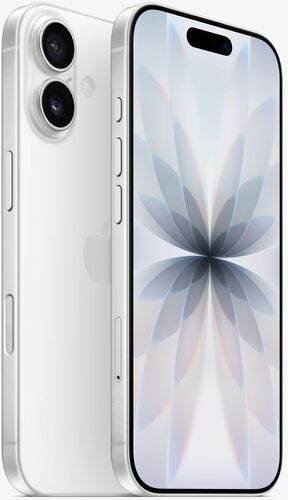
Switching from Android? What the iPhone 18 offers
Moving from Android to iOS is a bigger decision than any single iPhone generation. You are weighing an entire ecosystem, from Messages and FaceTime to how your photos sync and which apps you already own, not just a chip name.
If that's the decision in front of you, the gap between the iPhone 17 and the rumored iPhone 18 matters far less than whether iOS itself fits how you use a phone. A refurbed iPhone 17 is the lower-risk way to find out: it costs less than a new iPhone 18 will, and if iOS isn't for you, you haven't committed new-device money and a new production run to finding that out.
The real control group: refurbished iPhone 17 vs a new iPhone 18
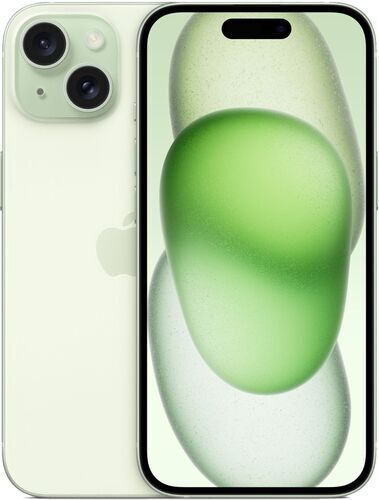
Display
6.1-inch OLED, HDR (Dolby Vision)
Chip
Apple A16 Bionic
Battery
3349 mAh
Main Camera
48 MP
Front Camera
12 MP
RAM
6 GB
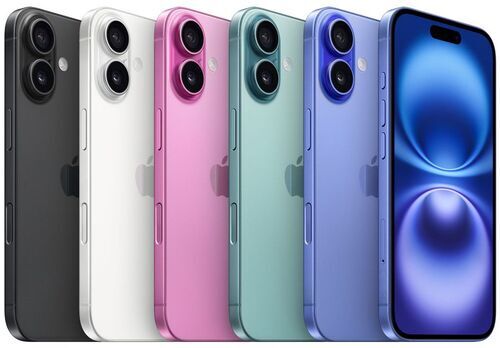
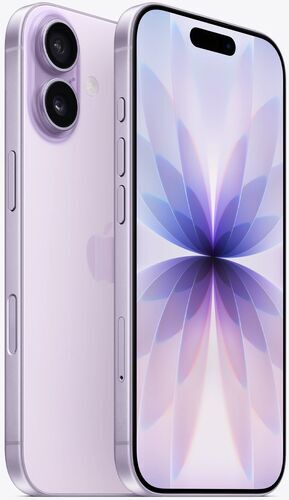
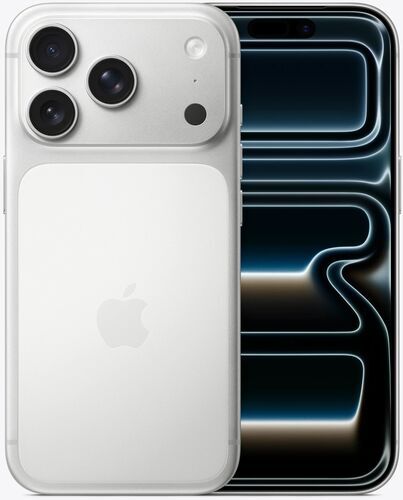
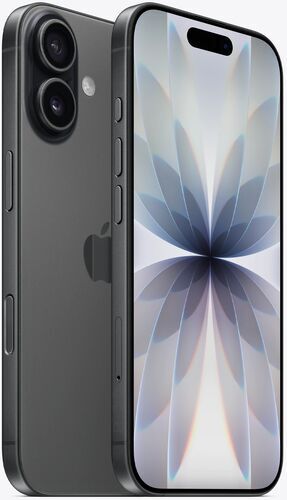
vs.
6.3-inch OLED, 120Hz, HDR10 (Dolby Vision)
Apple A19 Pro
4252 mAh
48 MP
18 MP
12 GB
How the iPhone 18 stacks up against Galaxy S26 Ultra, Pixel 11 Pro and Xiaomi 17 Ultra
A refurbed Galaxy S26 Ultra already ships a 5000 mAh battery, a 200 MP main camera and seven years of promised security updates, ahead of most reported iPhone 18 battery figures. Samsung also has a track record of shipping features years before Apple: a variable-aperture main lens, one of the iPhone 18's more interesting rumors, first appeared on Samsung's Galaxy S9 back in 2018. New to iPhone and new to smartphones are two different claims.
The Xiaomi 17 Ultra pairs a 6000 mAh battery with 90W wired charging, nearly double the battery capacity reported for any iPhone 18 model, which makes Apple's traditionally conservative battery specs harder to defend on paper alone.
Google's Pixel 11 Pro is not yet available refurbished on refurbed: it is too new for that stock to exist yet. Google promises seven years of OS, security and feature updates for it, and claims its Tensor G6 chip makes on-device AI tasks up to 3.5 times faster while using up to 3.5 times less energy. That multiplier comes from Google's own testing, not an independent benchmark, so treat it as a claim to verify once outside reviews land, not a settled fact.
The environmental case against upgrading every cycle
As the practical gains from each new iPhone shrink, the environmental cost attached to each one doesn't shrink with it. The question isn't only whether the iPhone 18 has a smaller footprint than the iPhone 17. It is whether that new production run buys enough usable improvement to justify replacing a phone that still works.
Watch for the shortcut marketing likes to take here: a chip using 30% less power is not the same as a 30% greener phone. Even a full 30% cut to an iPhone's entire use-phase energy would only reduce its total lifecycle emissions by roughly 6%, because manufacturing, not daily use, causes most of a modern iPhone's footprint (around 76% of a 256GB iPhone 17 Pro's footprint comes from production, versus about 20% from years of charging and use).
Marketing tends to collapse five separate levels into one number: how efficient a transistor is, how much power the whole chip draws, how much energy the finished phone uses, how long the battery lasts, and the phone's total lifecycle emissions. A gain at the first level doesn't automatically survive to the last one. For the fuller picture on how refurbished changes these numbers, see refurbed's sustainable iPhone 15 breakdown.
Storage, carbon, and where your old iPhone ends up
Storage is a carbon spec, not just a price spec. Apple's own environmental reporting puts a 256GB iPhone 17 Pro at 64kg of CO2 equivalent and the 1TB version at 93kg, a 45% jump from storage choice alone. Comparing a high-storage iPhone 18 with a low-storage iPhone 17 and calling the newer one cleaner ignores this entirely.
What happens to the phone you replace matters just as much as what you buy next. A 2026 study in Communications Earth and Environment found that each second-hand phone transaction displaced roughly 0.40 new devices, not one for one, and that people buying second-hand carried a roughly 34% lower annual carbon footprint, though short replacement cycles erased close to half of that potential saving. Separately, France's environmental agency ADEME estimates a refurbished phone can avoid around 24.6kg of CO2 and 76.9kg of raw material extraction for every year you keep using it instead of buying new.
Keeping a phone, repairing it or selling it to someone who'll use it for years all count as real environmental wins. Leaving it in a drawer doesn't. If your current iPhone is heading for a drawer once you upgrade, trading it in or passing it on gives it a second working life instead.
Frequently asked questions about the iPhone 18 upgrade
Is the iPhone 18 confirmed yet?
No. Apple's September 9, 2026 event is confirmed, but Apple has not confirmed the iPhone 18, its name or any of its specs. Treat every figure on this page as reported until Apple's own keynote and product pages say otherwise.
Should I upgrade from an iPhone 17 to an iPhone 18?
Usually not. A single generation rarely produces a difference you can feel day to day, unless independent battery or reception tests turn out to be dramatically better than the iPhone 17's. Wait for reviews before deciding.
Is a refurbished iPhone 17 a good alternative to a new iPhone 18?
Yes, for most owners of an iPhone 15 or older. A refurbed iPhone 17 already delivers 120Hz ProMotion, a big camera upgrade and more starting storage, at a lower price than a new iPhone 18 and without a second production run.
Does a more efficient chip make the iPhone 18 greener?
Not by much. Chip efficiency affects only one slice of a phone's footprint. Manufacturing dominates an iPhone's lifecycle emissions, so even a large cut to chip power translates into a single-digit percentage cut overall.
What happens to my old iPhone if I don't keep using it?
Selling it or passing it on gives it a second working life instead of a drawer, which is where most of the environmental benefit of reselling or buying refurbished comes from.
Skip the wait: get a refurbished iPhone 17 today
The iPhone 18 could be Apple's best phone yet and still be the wrong upgrade for you. The verdict depends on what it replaces, what you can feel day to day, and whether the cost, financial and environmental, is worth paying twice.
For most people replacing an iPhone 15 or older, that math already favors a refurbed iPhone 17: tested, warrantied, and ready today instead of on a rumor.
Every refurbed iPhone comes with a minimum 12-month warranty and a 30-day return window, so trying one costs you nothing but the decision.

Sign up for our newsletter!
Never miss an offer again.
Information about the use of personal data can be found in our Privacy policy.
Get the refurbed app
For iOS and Android


Confirm sign-up
Almost done: We’ve sent you a confirmation email
- © Refurbed Marketplace GmbH
- Accessibility
- T&C
- Privacy Policy
- Imprint
- Legal Notices
- Cookie Policy