Sustainable refurbished appliances: save money, save the planet
A washing machine, a vacuum, an air purifier: each one took real steel, copper, and energy to build before it ever reached a home. refurbed puts that same hardware back to work instead of sending it to a landfill and starting production from scratch.
Refurbished means professionally tested, cleaned, and reconditioned, not a gamble on a stranger's old appliance. Buy one and the saving shows up twice: a lower price for the household today, and a smaller footprint for the planet because nothing new had to be manufactured.
Here is how the math works, category by category, appliance by appliance.
What goes into building your washing machine or vacuum
Behind every appliance in a showroom is a supply chain most people never think about. A washing machine starts as sheet steel, stamped and welded into a drum, then balanced with concrete or metal counterweights so it doesn't walk across the floor on a fast spin.
A heat-pump dryer or washer-dryer adds a sealed refrigerant circuit: a compressor, a set of coils, and a gas charge that has to be pressure-tested before it ships. An induction hob is built around copper coils and a power board dense with electronics, topped with a glass surface that cracks if it's dropped during transit. A cordless vacuum carries a lithium-ion battery pack wired to a small management circuit that keeps it charging safely.
That's a lot of material, energy, and precision engineering, and none of it disappears once the product leaves the factory. It's still sitting inside every appliance already built, whether that appliance is brand new or three years old.
The surprising truth about where appliance emissions come from
It's tempting to assume the factory is where an appliance does most of its environmental damage. For large appliances, the opposite is usually true: Electrolux reports that across its product range, using the appliance accounts for around 86% of lifecycle emissions, with buying materials and services at roughly 10% and inbound transport at about 1%.
That's a group-wide figure, not a promise about any single model, but independent research points the same way. The EEB's Coolproducts report estimates that manufacturing, distribution, and end-of-life together make up 18 to 31% of a washing machine's climate impact, and 10 to 31% for corded vacuum cleaners.
Neither number is small. Every one of those percentage points comes from making a new unit: mining the steel, winding the copper, running the factory line. Buy a refurbished or open-box appliance instead, and that entire slice of the footprint doesn't happen again, because no new unit gets built. Recycling alone can't claim the same win: it recovers materials from a broken-down product, but a refurbished appliance keeps the whole thing working.
Washing machines, dryers & washer-dryers: heavy hardware, high stakes
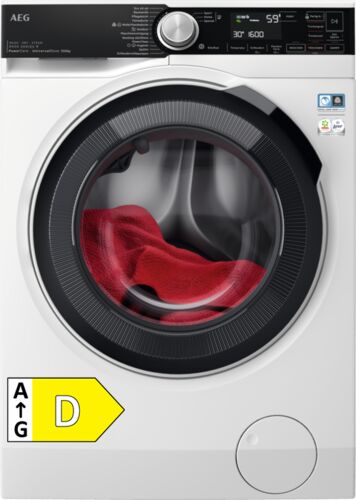
Weight is a decent proxy for how much went into building something, and washing machines and washer-dryers are some of the heaviest things most people ever buy for the home. The refurbished Electrolux 700 DualCare EW7W96B3 washer-dryer, for example, weighs 78.5 kg.
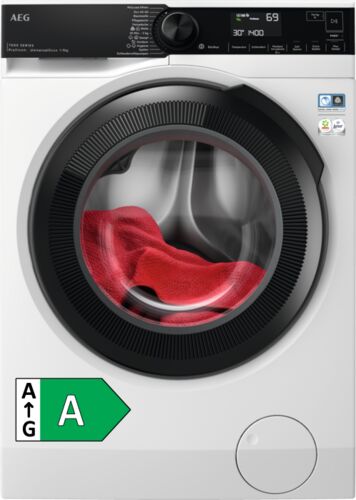
That's steel drum, motor, pump, and counterweights, all manufactured once and then shipped, installed, and eventually replaced by most households when something goes wrong rather than when the machine is worn out. A cosmetic dent or an open carton shouldn't send nearly 80 kg of working appliance to recycling.
Heat-pump dryers and washer-dryers add one more thing worth knowing about: a sealed refrigerant circuit. Manufacturer documentation for washer-dryers using older refrigerants shows why that circuit matters: a charge of just 0.14 kg of R134a, a refrigerant with a global-warming potential of 1430, would equal around 200 kg of CO2 if it fully leaked out. Newer refrigerants like R290 carry a small fraction of that impact, which is exactly why a proper leak test matters more here than almost anywhere else in the appliance world, and exactly what a certified refurbishment should confirm before resale.
Induction hobs: simple parts, an easy refurbished win
Induction hobs are one of the easiest categories to buy refurbished with confidence. There's no drum, no bearings, no belt, nothing spinning under load year after year. What's inside is a set of copper coils, ferrite plates, and a power board, sealed under a glass surface, which is a much simpler machine than almost anything else in the kitchen.
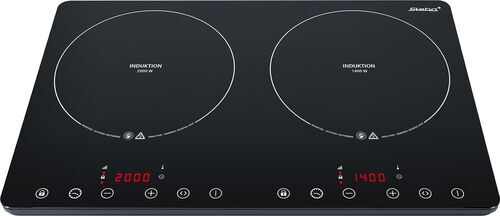
The Steba IK 650 SLIM double induction hob is a good example: a compact unit built around exactly that kind of electronics, with none of the mechanical wear points that make other appliances riskier to buy secondhand.
The one thing worth checking before you buy: test every cooking zone, and look closely at the glass for hairline cracks. Everything else about a refurbished induction hob is a low-risk, high-value decision.
Air treatment, fans & vacuums: look past the clean casing
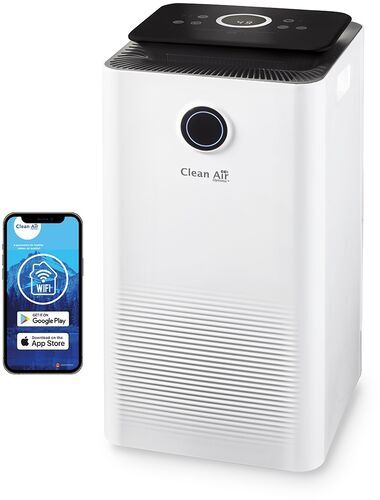
A spotless casing tells you little about the parts that determine whether a refurbished appliance is a good buy. Start with the compressor in air treatment: many dehumidifiers use a small refrigeration circuit, much like a mini fridge, and the Clean Air Optima CA-704 uses R290 refrigerant. A certified refurbishment should test the circuit for leaks and confirm actual moisture extraction and cooling performance, not just that the unit switches on.
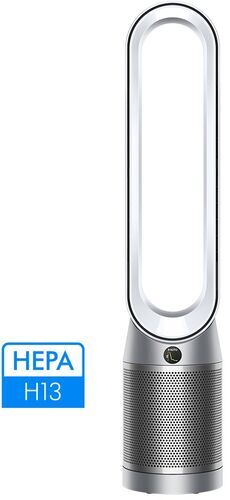
The refurbished Dyson Purifier Cool TP07 relies on a HEPA filter and connects over WiFi for app control, but its filter wears out. Some 2-in-1 dehumidifier-purifiers list a filter lifespan of roughly 3 to 6 months. Ask for a fresh replacement filter: an old one turns a tempting discount into your next expense.
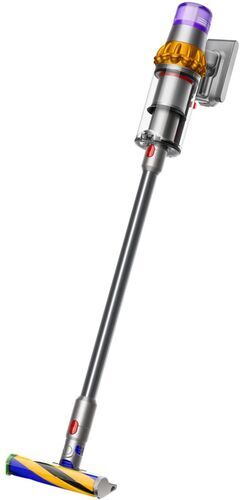
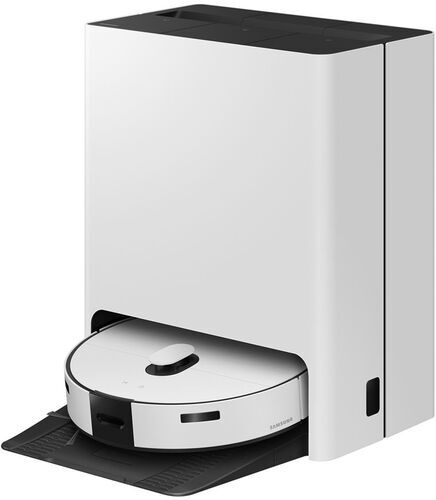
For cordless vacuums, the battery matters more than scuffs. The refurbished Dyson V15 Detect Absolute runs up to 60 minutes on a full charge, but ask for the measured runtime of the unit you are buying and whether its battery was tested or renewed. A wipe-down cannot answer either question. The same applies to robot vacuums: the refurbished Samsung Bespoke Jet Bot Combo Steam is built for up to 180 minutes per charge. Check its measured runtime, then inspect the brushes and sensors for wear; those parts keep it navigating correctly.
Tower fans are simpler, with a motor and blade, so they are a sound refurbished or open-box choice. Fan heaters and insect-killer lamps in seasonal are inexpensive enough new that deep refurbishment rarely pays; open-box, ideally unused, is the better fit. Check basic electrical safety and any thermal cutoff before buying. Across the group, the verdict is the same: match the testing and replacement of worn parts to what the appliance costs.
Spare parts listed? Check whether the repair stacks up
A spare-parts list does not tell you whether the next fault can be fixed for a sensible sum. For a washing machine, look up the exact model identifier and its parts diagram. Can the tub be opened so the bearings can be replaced separately, or would the repair require a much larger assembly? One bearing-repair story may flag a problem, but it cannot tell you how an entire product range is built.
For a cordless vacuum, check whether the battery is removable and whether a suitable replacement can be obtained for that exact model. The Samsung Jet 75E has a removable battery, and a replacement battery is listed for Jet 75/90 models. Do not assume that means the right part is available where you live. Check its availability and cost before counting on an economical repair.
Explore sustainable refurbished appliances by category
Open-box vs. certified refurbished: what's the real difference?
Open-box and certified refurbished get used almost interchangeably, but they solve different problems. An open-box appliance is a current-generation unit, the same one sold sealed, discounted because the packaging was opened or a delivery got returned. Buy one and you give up nothing on efficiency: it's the same machine as the sealed-box version next to it on the shelf.
Certified refurbished usually means an older unit that's been tested, repaired where needed, and requalified for sale. That preserves the materials and manufacturing already invested in that specific appliance, but it only pays off once you've confirmed the parts that degrade with age: battery health, refrigerant seals, bearings, filters.
This isn't a fringe idea. Haier Europe, the parent of Haier, Candy, and Hoover, runs its own refurbishment centre for appliances damaged during production or logistics before they ever reach a customer. Arçelik, which owns Beko and Grundig, has refurbished appliances since 1997. When manufacturers build their own refurbishment operations, that's a good sign the economics work for the whole supply chain, not just for the buyer.
One line sums up the difference: open-box preserves this year's efficiency, refurbishment preserves the materials already built into the product. Both are smarter than buying new for the sake of an unopened box.
The household math: how much refurbished appliances save you
Numbers make the savings case better than adjectives do. On one buyer forum, a household bought an open-box washing machine for around £372 against a new price of roughly £600 to £680: a discount in the range of 38 to 46%, after the buyer tested a full cycle, checked the hoses, and got the installer's promises in writing before paying.
That's one household's result, not a market-wide average, but it shows the size of the saving that's realistically on the table. Separately, the EEB's Coolproducts modelling found that repeatedly replacing a low-cost washing machine after each fault worked out around 13% more expensive over time than buying one durable machine up front. Repair-forum regulars make the same point more bluntly: a well-chosen decade-old premium machine can outlast a brand-new budget one, as long as parts are still available for it.
Durability and refurbished condition point in the same direction: a well-tested unit that keeps working beats a budget new one that doesn't. The saving is real, but it depends on the testing behind the listing, not just the discount on the price tag.
The planet math: what refurbished and open-box appliances save
The world generated 62 million tonnes of electronic waste in 2022, and only about 22% of it was documented as formally collected and recycled. Refurbishment sits above recycling in the same hierarchy, because it keeps the whole assembled appliance in use instead of only recovering some of its materials after it's broken down.
Scenario modelling for the EU found that adding one extra year to the average lifespan of washing machines and vacuum cleaners could save around 0.35 million tonnes of CO2 every year by 2030: useful context, not a guarantee tied to any specific product. The same EEB Coolproducts modelling found that a durable design can produce almost 1,100 kg less greenhouse gas over 20 years than one that gets replaced repeatedly after faults.
One more nuance worth knowing: a peer-reviewed German study found that reusing old washing machines only cut lifetime climate impact by about 3%, because older machines run less efficiently, but it cut mineral-resource strain by roughly 22% and land use by up to 26%. The same research found something reassuring about the process itself: inspection, cleaning, and repair work made up less than 1% of the impacts it modelled, so refurbishment's own footprint barely registers next to what it saves. That's exactly why a recent open-box or refurbished appliance beats a much older second-hand one: efficiency and material savings both matter, and only a recent unit delivers both at once.
What to check before buying a refurbished or open-box appliance
A little checking turns a good-sounding discount into a good purchase. Before buying, ask the seller for:
The return or fault reason. A cosmetic return and a repaired fault are different risk levels.
Real functional test results. A full wash-and-spin cycle with a check for mould in the seals and wear in the hoses, an actual drying run, or genuine suction time, not just "powers on."
Battery health, for any cordless or robot vacuum, ideally a measured runtime or charge cycle count.
A refrigerant leak-test result, for heat-pump dryers, washer-dryers, and dehumidifiers.
Filter freshness, for any purifier or dehumidifier that depends on a replaceable filter.
Cosmetic grade with real photos, not a generic stock image.
Warranty and return window, in writing, before you pay.
Every one of these is a fair question to ask any seller, refurbished or not.
Refurbished appliance FAQs
Is a refurbished appliance as good as new?
Yes, functionally. Every refurbed listing is tested and confirmed to work properly before sale. Cosmetic grade can vary from Premium to Good, but that's about appearance, not performance.
What's the difference between open-box and refurbished?
Open-box means a current-generation, unused or barely used unit sold at a discount, usually because the packaging was opened. Refurbished can be an older unit that's been tested and repaired. Both skip new manufacturing; open-box also guarantees today's efficiency.
How much can I save buying refurbished?
It varies by condition and category, but real listings commonly show savings of 30% or more against the new price. Large appliances like washing machines tend to show the biggest absolute savings because they cost the most new.
Are refurbished appliances better for the environment?
Generally, yes, when they replace a new purchase. Skipping a round of manufacturing avoids a real share of an appliance's lifetime footprint, though buying a very old unit can offset that if it runs much less efficiently.
What gets checked before a refurbished appliance is resold?
Function first: every key part is tested, and worn components are replaced where needed. On top of that, battery health, refrigerant seals, and filters get checked on the categories where those matter most, before the unit is cleared for resale.
Ready to buy your next appliance the sustainable way?
Every refurbished or open-box appliance you buy is one less unit that has to be manufactured from scratch, and real savings for your household along the way.
refurbed tests, grades, and backs every listing with a warranty, so the only thing left to decide is which appliance to buy next.


Sign up for our newsletter for the first time and save £15!
Never miss an offer again.
Information about the use of personal data can be found in our Privacy policy.
Get the refurbed app
For iOS and Android


Confirm sign-up
Almost done: We’ve sent you a confirmation email
- © Refurbed Marketplace GmbH
- Accessibility
- T&C
- Privacy Policy
- Imprint
- Legal Notices
- Cookie Policy