Smartphone software updates: why they matter and how many years you need
Your phone is only as safe and useful as the software that maintains it. Updates close security holes, keep the phone compatible with its apps and sometimes add features. And every phone eventually gets its last one.
The short answer on smartphone software updates: if you plan to keep a phone as your main one for five years, you need dependable security updates for all five, and both Android and iPhone can deliver that. The exact model decides: when it launched, what its maker commits to, how updates reach it and whether its battery can be replaced. Here is how to check all four on any phone, including a refurbished smartphone.
What software updates include: six layers
Phone adverts blur firmware, software updates and operating system (OS) updates into one thing. They are six layers, and a promise can cover some and skip others.
- Major system upgrade: a new Android or iOS version, with new permissions, compatibility and sometimes headline features.
- Security fixes: patches for known weaknesses in the parts the maker supports.
- Firmware and drivers: the modem's software, the software that starts the phone and other hardware-specific software, which app updates generally cannot replace.
- Modular updates: selected system parts, delivered without a full new version. Android's version, Mainline, covers chosen components only, and its support for Android 11 and earlier ended in the fourth quarter of 2025.
- App and service updates: browser, messaging and cloud apps, each with its own compatibility limits.
- Feature rollouts: functions that can depend on model, language, network, subscription or rollout stage.
Duration, upgrade count and cadence are three separate promises. Four major upgrades plus six years of security updates usually means overlapping support, not ten years in a row. The Android version a phone ships with is not an upgrade, as OnePlus stated for its 13 series.
Why software updates matter: the security flaws you cannot see
Good habits cannot replace every patch. Two documented cases show why.
In March 2023, Google's Project Zero documented four severe flaws in an Exynos modem chip. An attacker needed only a phone number, with no tap from the owner. Pixel 6 and 7 got fixes in the March update. Also in 2023, Citizen Lab found BLASTPASS, a zero-click attack that needed no tap and was used to deliver spyware to an iPhone on iOS 16.6. Apple worked with the researchers and issued fixes.
The newest software is not immune to flaws nobody knows yet, and a fix only helps once it reaches your phone. Both platforms have had serious flaws. A flaw count per platform says little about which is safer, because exposure, researcher attention and patch timing differ. What matters is whether the maker keeps shipping fixes to your exact model.
Updates close known weaknesses. No universal percentage says how much five years of support protects you, and phishing, an account failure or a brand-new exploit can still compromise a supported phone. A phone that loses support does not fail overnight. It loses a dependable way to get fixes for future flaws.
How much software updates matter depends on you
These are rules of thumb, not measurements.
- Main phone for five years: high value. The remaining support must cover all five from the day you buy.
- Replacing after two or three years: moderate value. The extra years mostly help the next owner.
- Used phone bought years after launch: high value. The advertised duration can hide an end date that is close.
- Work phone or sensitive accounts: high value. Update frequency and coverage count, and employers or apps can ask for more than the basics.
- Gaming or demanding AI on the phone: updates are necessary but not enough, because hardware becomes the limit.
For calls, messages, navigation and browsing, another yearly redesign adds modest visible value. Accessibility, permission control and reliability can matter more, so ask which tasks an update improves on your phone.
The maths, with invented numbers, no currency and no resale value: replacing a 600 phone after three years costs 200 a year. Keeping it five years with one 100 repair costs 140 a year, 30% less than replacing it. A premium phone at 800, kept five years with the same repair, costs 180 a year, so the higher price absorbs part of the benefit. Extra support pays off only if you keep the phone longer or pass it on.
iOS vs Android software updates: how they reach your phone
The iPhone and Android routes differ in who is responsible and how a fix reaches you. Neither wins by default.
- Who delivers: on an iPhone, Apple decides which models are eligible and publishes every release in one record, from maintenance releases to Background Security Improvements. On Android, the phone maker commits per model, and its firmware updates run alongside Google's system and service updates.
- Timing: an iPhone update is one Apple release, though installing it still depends on your settings. On Android, timing varies by maker, model, carrier and rollout. Google says Pixel updates roll out gradually and can take weeks, and Samsung notes that some carriers only support quarterly updates.
The iPhone gives one unified route. Android gives a wider range of policies and more channels. And cadence can outweigh the final support year: in October 2026 Samsung lists the Galaxy S24 family on monthly security updates and the Galaxy S22 family on quarterly ones.
New features from software updates, and the limits set by hardware
- Android, through a major upgrade: Android 13 added a notification permission, so you decide which apps may send alerts. Android 15 added private space on supporting phones.
- iPhone: Stolen Device Protection needs iOS 17.3 or later, plus settings you switch on. Charge Limit needs an iPhone 15 or later; older models get optimized charging.
- Android, outside the system update: Google announced theft detection lock and offline device lock for Android 10 and later through Google Play services, and the photo picker reaches qualifying older phones. A useful protection need not require the latest Android version.
- The ceiling: the iPhone 13 can install iOS 27, but Apple Intelligence needs an iPhone 15 Pro or Pro Max, or a compatible iPhone 16 or later. Update eligibility and access to advertised AI features are different promises, and single features can add their own conditions.
No update can add missing radio hardware, undo physical wear or guarantee compatibility with future networks and accessories. If you mainly need messaging and authentication apps, the update still has value. Treat future AI features as unknown until they ship.
Android promises, iPhone releases: two ways to check support
For a buyer, support evidence comes in two forms: published commitments for named Android models and Apple's yearly lists of iPhones eligible for the new iOS. A commitment looks ahead; a release list shows what has happened. Neither gives a brand-wide expiry date.
- Pixel 6 and Pixel 7: five years of OS and security updates, counted from first availability in the US Google Store. Google raised their OS promise from three years.
- Pixel 8 and later, including Pixel 9a: seven years of OS and security updates.
- Galaxy S22: up to four OS generations and up to five years of security updates.
- Galaxy S24: seven OS generations and seven years of security updates.
- Galaxy A26, A36 and A56: up to six OS generations and six years of security updates.
- OnePlus 13: four major Android upgrades after the version it launched with, and six years of security updates.
- Fairphone Gen 6: at least seven Android upgrades and at least eight years of security updates, through June 2033.
Most seven-year windows still lie ahead: these are promises, not completed records. By contrast, the iPhone 13, launched in 2021, can install iOS 27 in 2026. That is five years of major updates observed, but Apple publishes no fixed end date for this model.
Apple's September 2026 security releases list iOS 27.0.1 for the iPhone 11 and later, alongside maintenance releases for older versions. Those older branches do not receive fixes for every known security issue, Apple says, because some changes depend on newer architecture. Which phones receive a legacy update can change from release to release. iOS numbering has also changed: the difference between two version numbers is not a count of yearly upgrades.
For the iPhone 15 Pro Max, Apple's UK declaration states at least five years of security support from 22 September 2023. That is a regional minimum, not a five-upgrade contract. Use the Android commitments and Apple's observed record to judge the named phone, not to assign an iPhone a retirement date. See the Pixel and Galaxy update guide for current rollouts, and the refurbished iPhones guide for buying advice.
Alternative Android OS: a new version is not a new support window
On selected Android phones, a maintained alternative OS can keep some functions going after official support ends. There is no comparably supported consumer replacement route for iPhones.
Before using one with important accounts, check that the project supports the exact device and that its firmware, kernel and boot components still receive maintenance. GrapheneOS ties a device's security lifetime to continued firmware and vendor maintenance. Check boot security separately, and test essential work and payment apps on the proposed installation.
A newer Android version alone cannot restore dependable security maintenance once device-level support has ended.
Support starts at launch: how many update years a used phone has left
The support clock usually starts at launch or first supply, not on the day you buy. Google counts from a Pixel's first availability in the US Google Store, so a phone bought three years after release gets no new seven-year window.
Apply Google's policy to the launch dates. The Pixel 6 arrived in October 2021, so its five-year window ends in October 2026. The Pixel 8 arrived in October 2023: seven years run to October 2030, about four years left if you buy in October 2026. The Pixel 9a arrived in April 2025: seven years run to April 2032, about five and a half years left in October 2026. These dates are calculated from the policy; Google does not promise a final update on those days.
Refurbished means professionally tested, cleaned and reconditioned until it is hard to tell apart from new, and every refurbed purchase carries a minimum 12-month warranty and a 30-day return window. A new battery can improve the condition, but neither a new battery nor a recent purchase date restarts the maker's clock. So work out the remaining window before you compare prices. Then test your essential apps and check the battery, storage and repair route. For more, see how each brand times its launches and the refurbished smartphones guide.
Battery and repair: the hardware side of software updates
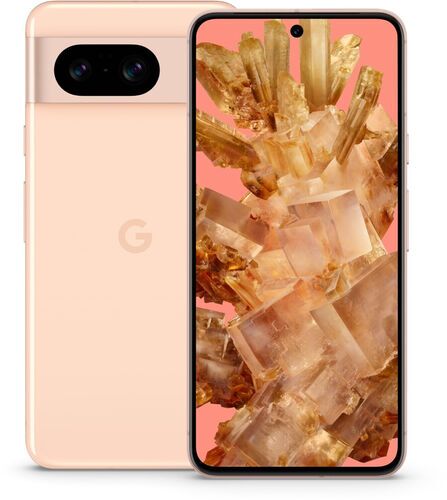
Software support pays off only if the hardware lasts as long. Apple's design target is 80% of original battery capacity after 500 full charge cycles for the iPhone 14 and earlier, and after 1,000 for the iPhone 15 and later, under ideal conditions. These are cycle targets, not calendar warranties, and usage and temperature change the result.
Before you blame an update for a slow phone, check the battery (including any swelling) and its replacement route, storage pressure, damaged parts, changed apps and the exact software build. If a reproducible problem starts right after an update, note the model, build and symptoms, then look for a corrective release.
In 2024 OnePlus, then on a shorter policy, argued that long support loses value if the hardware deteriorates. Fairphone replied that replaceable batteries should come with long software commitments. Both speak from a commercial interest, and both point to one rule: software support and maintainable hardware should cover the same plan.
Fraunhofer IZM's life-cycle assessment of the Fairphone 4 projected a 31% lower annual carbon footprint for five years of use instead of three, and 44% for seven years with two battery replacements. These are scenarios for one phone, commissioned by Fairphone: not universal results, and not the effect of updates alone.
Five beliefs about software updates, tested
- Long support means fewer forced replacements: true if you keep the phone or pass it on. The saving depends on that.
- iPhones always outlast Android phones: Apple's record for older iPhones is substantial. But several Android makers now promise six or seven years, and most of those years are still ahead, so the verdict is open.
- Android upgrades no longer matter: services and modular updates deliver real benefits, such as theft protection and the photo picker. But major versions still change what the platform can do and which protections it offers, and modular channels end too.
- Seven-year promises are only marketing: most of those years lie ahead, so nobody can prove them yet. Explicit commitments and past delivery records are still evidence worth weighing.
- Updates are meant to slow old phones down: not shown. Apple documents a battery mechanism that can limit peak power, but reports conflict and rarely separate battery age, apps and storage from the update itself.
Software updates checklist: eight checks before you buy
- The exact model and variant: promises apply to named models.
- Support end and clock start: the end date the maker states, and whether the count began at launch, first supply or a regional declaration.
- Upgrades versus security years: they are different promises.
- Late-life cadence: how often updates arrive in the final years.
- Firmware coverage: the modem and the software that starts the phone need fixes too.
- The features and apps you need: app requirements follow their own clock.
- Battery and parts access: can the battery be replaced, and by whom?
- Proof of delivery: evidence that updates have shipped for that model.
A weak spot in any one can outweigh the headline number of years. Once you own the phone, keep a recoverable backup, install security fixes promptly and test your essential apps after a major upgrade. Staying on old software indefinitely gives up maintenance.
Replace the phone when support ends, a required app or feature is unavailable, reliability drops or repairs stop making sense. A new version announcement alone is a weak reason. With these checks in hand, browse refurbished iPhones, Samsung Galaxy, Google Pixel and OnePlus phones.
Frequently asked questions about software updates
How long do iPhones get software updates? Five years and counting for the iPhone 13: launched in 2021, it can install iOS 27 in 2026. Apple publishes no fixed end date for an exact model, so that record is a guide, not a promise.
How long do Android phones get updates? Between four and seven major upgrades and between five and eight years of security updates, depending on the model. Pixel 8 and later promise seven years of both, and the Galaxy S24 seven OS generations and seven years of security updates.
Do software updates slow down older phones? Not as a rule, and the evidence does not show they are designed to. A worn battery can limit peak power, and full storage or heavier apps play a part too. Check the battery and storage first.
What happens when a phone stops getting updates? It keeps working, but fixes for new security flaws stop arriving, and some services check how recent your security update is. Plan a replacement, and limit sensitive use until then.
Will my banking apps stop working when updates end? Not automatically: each app chooses its own checks. A banking or payment app that uses Play Integrity's strong verdict on Android 13 and later can require a security patch less than a year old. Many other apps accept much older software: as of October 2026, WhatsApp supports Android 6 and later.
Is an older refurbished phone still a smart buy? Yes, if the remaining support covers how long you will keep it. A Pixel 8 bought in October 2026 has about four years of its promised window left, a Pixel 6 almost none. Compare the years left, then the price.
Find your next refurbished smartphone on refurbed
Check the model, count the years left and pick the condition that suits you. Every refurbed purchase carries a minimum 12-month warranty and a 30-day return window.

Sign up for our newsletter for the first time and save £15!
Never miss an offer again.
Information about the use of personal data can be found in our Privacy policy.
Get the refurbed app
For iOS and Android


Confirm sign-up
Almost done: We’ve sent you a confirmation email
- © Refurbed Marketplace GmbH
- Accessibility
- T&C
- Privacy Policy
- Imprint
- Legal Notices
- Cookie Policy