Xiaomi 18 Pro: the launch, the rivals and what it means for the Xiaomi 17
On launch day, Xiaomi fans on Reddit were already divided over the Xiaomi 18 Pro: some wanted the red transparent edition, some welcomed the return of a screen on the back, and some asked whether the phone they own is worth replacing.
The Xiaomi 18 Pro and 18 Pro Max launched in China on 23 September 2026 with a second screen on the back, a privacy mode built into the main display and two 200 MP rear cameras. Does that make the Xiaomi 17 generation the wrong buy?
Not on the evidence so far. Next to the Xiaomi 17 Pro and 17 Pro Max they replace, the new phones add bigger batteries (China ratings), newer chips, two 200 MP sensors and a privacy screen with mixed first results, but no controlled test shows them doing better in daily use, and there is no international release date or price.
The Xiaomi 17 Ultra and the Xiaomi 17 are available now on refurbed, refurbished: professionally checked, cleaned and reconditioned, and hardly distinguishable from new. The facts, the first tests and the rivals help you decide whether to wait or buy the previous generation today.
Xiaomi 18 Pro and 18 Pro Max: release date, price and specs
Xiaomi released both phones in China on 23 September 2026. Its China storefront lists them from CNY 5,999 (18 Pro) and CNY 6,999 (18 Pro Max): China launch prices, not a guide to prices elsewhere. Xiaomi and hands-on reporters point to an international launch, but its date, markets, prices and battery sizes are unconfirmed, and TechRadar and T3 even give different informal timings.
Screens: 6.4 inches (18 Pro) and 6.9 inches (18 Pro Max), both 120 Hz AMOLED, plus a rear OLED of about 2.7 and 2.9 inches respectively.
Chips: Snapdragon 8 Elite Gen 6 (18 Pro) and Snapdragon 8 Elite Extreme Gen 6 (18 Pro Max).
Batteries: 7,000 mAh (18 Pro) and 8,500 mAh (18 Pro Max), both for the China models.
Cameras: a 200 MP main camera, a 200 MP 3.2x telephoto and a 50 MP ultra-wide on both.
Charging (18 Pro): 100 W wired, 50 W wireless and 27 W wired reverse charging, according to Xiaomi's China spec sheet.
Software: HyperOS 4.
Early spec panels already disagree (one gave the smaller Pro the Extreme chip, another called the 27 W ordinary wireless charging), so if the phones launch in your market, check the figures of the version sold there. Our guide to the smartphone release cycle explains who launches when, and the best time to buy.
Xiaomi 18 Pro vs Xiaomi 17 Pro: what changed and what didn't
The 18 Pro and 18 Pro Max replace the Xiaomi 17 Pro and 17 Pro Max, and side by side the list of changes is shorter than the launch buzz suggests.
What changed: the batteries grow from 6,300 to 7,000 mAh on the Pro and from 7,500 to 8,500 mAh on the Pro Max. The older figures come from Wired's hands-on, the new ones are ratings for the China models. The privacy display is new, the chips are newer, and the back now carries two 200 MP camera sensors.
What didn't change: the rear screen. The 17 Pro and 17 Pro Max already had one, so it is no reason on its own to choose the new generation.
What isn't proven: no controlled battery-life or camera comparison yet shows the new phones doing better in practice. Until someone measures it, a higher battery rating is a number on a spec sheet, not proof of longer battery life.
Xiaomi 18 Pro privacy display: what it does and what the first tests found
On a train, the person next to you can often read your screen. Xiaomi's answer is a privacy mode built into the display hardware. According to Xiaomi's descriptions, reported by Android Authority and IT Home, it can hide a whole app, selected notifications, one side of a split screen or a floating window, and reports say it can switch on for sensitive screens, in certain locations or when the front camera spots someone looking over your shoulder. These are feature descriptions, not proof of privacy from every angle.
The first hands-on tests are more mixed:
T3: with the mode on, Mike Lowe found text clearer than on the Samsung Galaxy S26 Ultra with its comparable mode, and hid a single app in split screen, but Xiaomi's screen hid content less well from the side. One short visual trial, not a measurement.
TechRadar: Axel Metz could not unlock privacy mode on his test unit, so the site's privacy verdict is not first-hand.
Frandroid: from a third-party comparison video, it suggests narrower viewing angles even with the mode off. That is not a controlled test, and camera angle and settings may have shaped it.
If you can try one, test both sides of it: showing a photo to a friend, and peeking from the side and from above.
Xiaomi 18 Pro rear screen and 200 MP cameras: what they're good for
Rear screen: so far its clearest use is framing selfies with the 200 MP main camera, as TechRadar and Android Central showed, along with notifications and quick controls. T3 adds that a simpler glance view might cut the time you spend opening apps. On Reddit, one buyer calls it redundant and a scratch risk, while another says an older rear-screen Xiaomi stayed free of scratches for a year: two personal experiences, not durability data, and no repair costs are published yet. The real test is whether you still use it once the novelty wears off, and how well a case protects it.
Two 200 MP cameras: Android Central found both phones thick but lighter than expected, but nobody has published a sustained camera comparison or samples at each zoom step yet. Buyers on r/XiaomiGlobal ask what matters, sensor size and optical zoom reach, and the megapixel count answers neither. Our look at AI smartphone cameras explains why camera progress is best judged one module at a time.
Will the Xiaomi 18 Pro take buyers from the Xiaomi 17?
It will take fewer buyers than its spec sheet suggests, and the reason differs for each member of the Xiaomi 17 generation.
Xiaomi 17 Pro and 17 Pro Max: the clearest overlap. The 18 Pro and 18 Pro Max keep the same rear-screen idea, and none of their additions has been tested against the older pair yet.
Xiaomi 17 Ultra: a different, camera-led phone, with a 1-inch main sensor and a 200 MP telephoto on a mechanical 75–100 mm optical zoom, according to Xiaomi. The 18 Pro Max can tempt buyers who want a bigger battery (8,500 mAh in the China model, against 6,000 mAh for the Xiaomi 17 Ultra), a second screen and the privacy mode. The 17 Ultra may keep an optical edge at some focal lengths: a comparison still to be tested, not a camera ranking.
Xiaomi 17: a simpler, compact flagship (6.3 inches, 6,330 mAh). The smaller 18 Pro overlaps in size, but its second screen and extra camera hardware serve a different buyer and may cost more if it reaches your market.
Nobody has yet measured what would settle it: battery life, charging times, heat under load, camera consistency, the privacy mode's power draw, repair and screen-replacement costs, or how HyperOS 4 holds up over time. Until then, the 18 Pro suits people who want the privacy mode and a second screen and can wait for its international version and first full tests; for everyone else, nothing measured so far makes the previous generation the wrong buy. This is a judgement about which buyers the phones share, not sales data, which does not exist yet.
Xiaomi 18 Pro vs Galaxy S26 Ultra, vivo X300 Ultra and OPPO Find X9 Ultra
Samsung Galaxy S26 Ultra: the direct privacy-display rival, closest to the 18 Pro Max. Samsung lists a 6.9-inch screen, a 200 MP main camera and 5,000 mAh; Xiaomi lists 8,500 mAh for the China model of the 18 Pro Max and adds a rear screen. In T3's short hands-on, Samsung hid content better from the side, while Xiaomi gave a sharper view straight on and finer control in split screen. A refurbished Galaxy S26 Ultra is already available.
vivo X300 Ultra: a camera-first rival with its own 200 MP main and telephoto cameras, a 6.82-inch screen and a listed 6,600 mAh battery, according to vivo. Two 200 MP sensors are not unique to Xiaomi: sensor size, lenses and real photo samples decide.
OPPO Find X9 Ultra: built for long-distance zoom, with two 200 MP cameras, a 50 MP telephoto with 10x optical zoom and 7,050 mAh, according to OPPO. Its refurbished sibling, the OPPO Find X9 Pro, is available now with a 200 MP periscope telephoto and 7,500 mAh.
Compare real photos and what you can buy where you live, not launch-spec totals. Xiaomi's international specifications may still change the picture.
Refurbished alternatives to the Xiaomi 18 Pro: specs compared
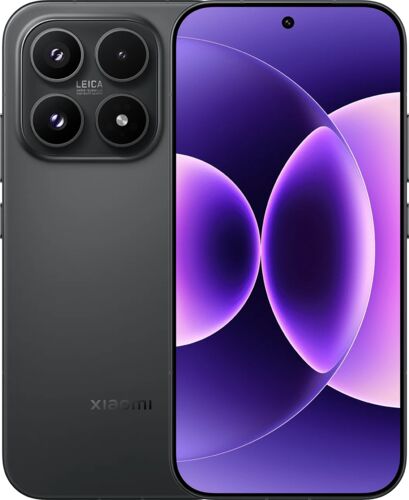
Display
6.3-inch AMOLED, 120 Hz
Chip
Qualcomm Snapdragon 8 Elite Gen 5
Battery
6,330 mAh
Main camera
50 MP
Telephoto
50 MP
Selfie camera
50 MP
Weight
191 g
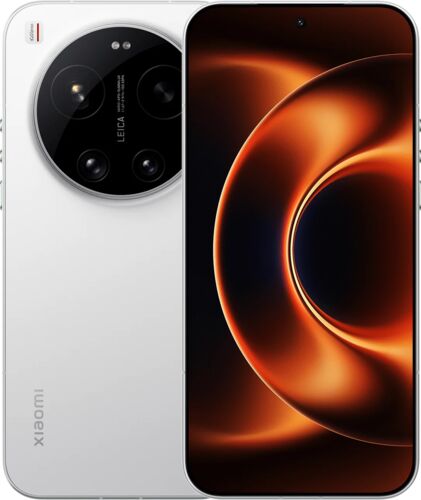
vs.
6.9-inch AMOLED, 120 Hz
Qualcomm Snapdragon 8 Elite Gen 5
6,000 mAh
50 MP
50 MP and 200 MP
50 MP
218.4 g
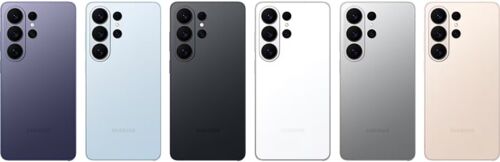
6.9-inch AMOLED, 120 Hz
Qualcomm Snapdragon 8 Elite Gen 5 for Galaxy
5,000 mAh
200 MP
50 MP and 10 MP
12 MP
214 g
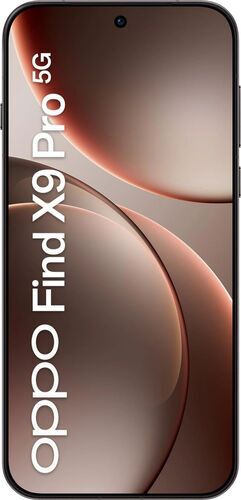
vs.
6.78-inch AMOLED, 120 Hz
MediaTek Dimensity 9500
7,500 mAh
50 MP
200 MP periscope
50 MP
224 g
Why a refurbished Xiaomi 17 Ultra is the smarter buy
The Xiaomi 18 Pro series is on sale only in China so far and untested over time. The Xiaomi 17 Ultra is here now, refurbished, with the Snapdragon 8 Elite Gen 5 (one generation before the chips in the 18 series) and the camera no test has yet shown the 18 Pro Max beating: a 1-inch main sensor and a 200 MP telephoto on a mechanical optical zoom, according to Xiaomi.
Every refurbished phone on refurbed is professionally checked and cleaned. Condition grades from Good to Premium describe appearance only, and every device works flawlessly. Battery condition is checked before resale, and each phone comes with a minimum 12-month warranty and a 30-day free trial.
The listing shows which storage versions are available, and the storage guide helps you pick one. Prefer a smaller phone? The refurbished Xiaomi 17 has the same chip in a 6.3-inch body with a 6,330 mAh battery.
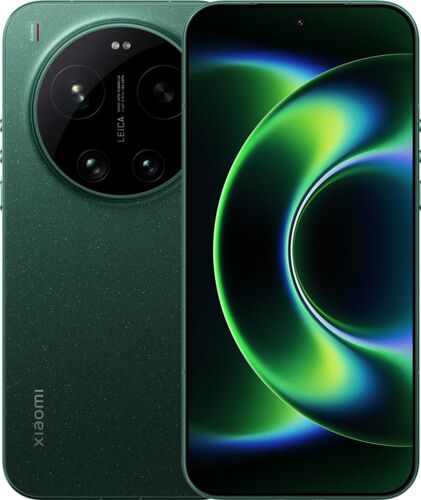
The environmental case for a refurbished Xiaomi phone
Fraunhofer Austria's data does not cover the Xiaomi 17 or 17 Ultra yet, so these figures are for the closest model it has measured, the Xiaomi 15 from the generation before: a guide to what buying a refurbished Xiaomi saves, not the 17 Ultra's own values.
Choosing a refurbished Xiaomi 15 (256 GB) instead of buying new avoids this real environmental impact, compared to a new device.
↓ CO₂ emissions: 77.2 kg CO₂ SAVED (85% less than a new device, equivalent to driving ca. 540.4 km)
↓ Virtual water: 28,779.6 litres SAVED (88% less, equivalent to ca. 192 bathtubs filled with water)
↓ E-waste: 164.9 g SAVED (78% less than a new device)
↓ Critical raw materials: 39.6 g SAVED (64% less)
↓ Conflict materials: 1.3 g SAVED (95% less)
Based on scientific research by Fraunhofer Austria, calculation model verified according to ISO 14040/14044 standards.
Xiaomi 18 Pro FAQs
When was the Xiaomi 18 Pro released?
On 23 September 2026, in China, together with the 18 Pro Max. Xiaomi and hands-on reporters point to an international launch, but its date and markets are not confirmed yet.
How much does the Xiaomi 18 Pro cost?
From CNY 5,999 in China, and CNY 6,999 for the 18 Pro Max, according to Xiaomi's China storefront. These are China launch prices, and there is no European price yet.
Is the Xiaomi 18 Pro better than the Xiaomi 17 Pro?
On paper, yes: bigger batteries as rated for the China models, a privacy display, newer chips and two 200 MP sensors. The rear screen is not new, and no controlled test yet shows the 18 Pro doing better in daily use.
Does the Xiaomi 18 Pro's privacy display work?
Partly. In T3's short trial it hid a single app in split screen and looked clearer than the Galaxy S26 Ultra with its comparable mode on, but it hid content less well from the side. No lab has measured it yet.
What is the difference between the Xiaomi 18 Pro and 18 Pro Max?
Size, chip and battery: 6.4 against 6.9 inches, rear screens of about 2.7 and 2.9 inches, the Snapdragon 8 Elite Gen 6 against the Extreme Gen 6, and 7,000 against 8,500 mAh in the China models. The headline cameras match.
Is a refurbished Xiaomi 17 Ultra a good alternative?
Yes. It is available now, with a 6.9-inch 120 Hz screen, the Snapdragon 8 Elite Gen 5, a 6,000 mAh battery and, according to Xiaomi, a 1-inch main sensor. Condition grades describe appearance only, and every phone comes with a minimum 12-month warranty and a 30-day free trial.
Get a refurbished Xiaomi 17 Ultra today
Why wait for the 18 series' international launch and its first full tests? The Xiaomi 17 Ultra gives you a camera-led flagship now, with a minimum 12-month warranty and a 30-day free trial. Want to compare more options first? Browse the refurbished Xiaomi range.
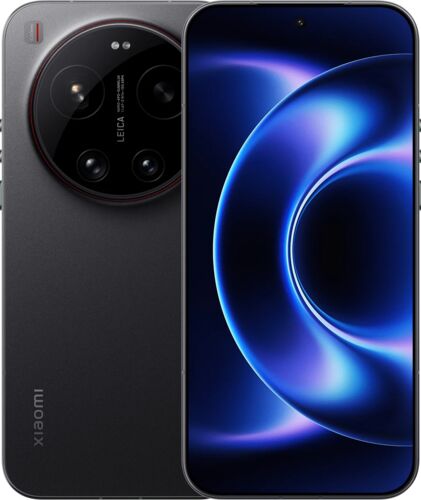

Sign up for our newsletter for the first time and save £15!
Never miss an offer again.
Information about the use of personal data can be found in our Privacy policy.
Get the refurbed app
For iOS and Android


Confirm sign-up
Almost done: We’ve sent you a confirmation email
- © Refurbed Marketplace GmbH
- Accessibility
- T&C
- Privacy Policy
- Imprint
- Legal Notices
- Cookie Policy